
Whether we like it or not, we all grow old, and with old age life changes a lot.
Our bodies slow down and soon enough the world starts to feel a bit smaller. We get out less, we do less, and eventually, as we disconnect from the world around us, loneliness creeps in.
In the UK alone, there are 2 million elderly people living alone, with more than 500,000 of them regularly going a month without speaking to anyone. Not a friend, not a neighbour, not even a family member.
What's worse, the effects of this isolation go further than mental health. Chronic loneliness is associated with a 26% increased risk of early mortality — a risk often compared to smoking a pack of cigarettes a day.
The data is stark. The health consequences — mental and physical — are serious, and so far the solutions have been lacking, with most aimed at people who need formal care. That leaves a huge gap for the people who don't need care yet, but would benefit enormously from regular company and a practical helping hand.
The people who don't need carers. They just need company.
Luckily, that's where AIBŌ and founder Solène Declas come in.
What is AIBŌ?
AIBŌ is a platform that matches young people aged 18 to 30 with elderly people in their local area for paid companionship and practical weekly support...
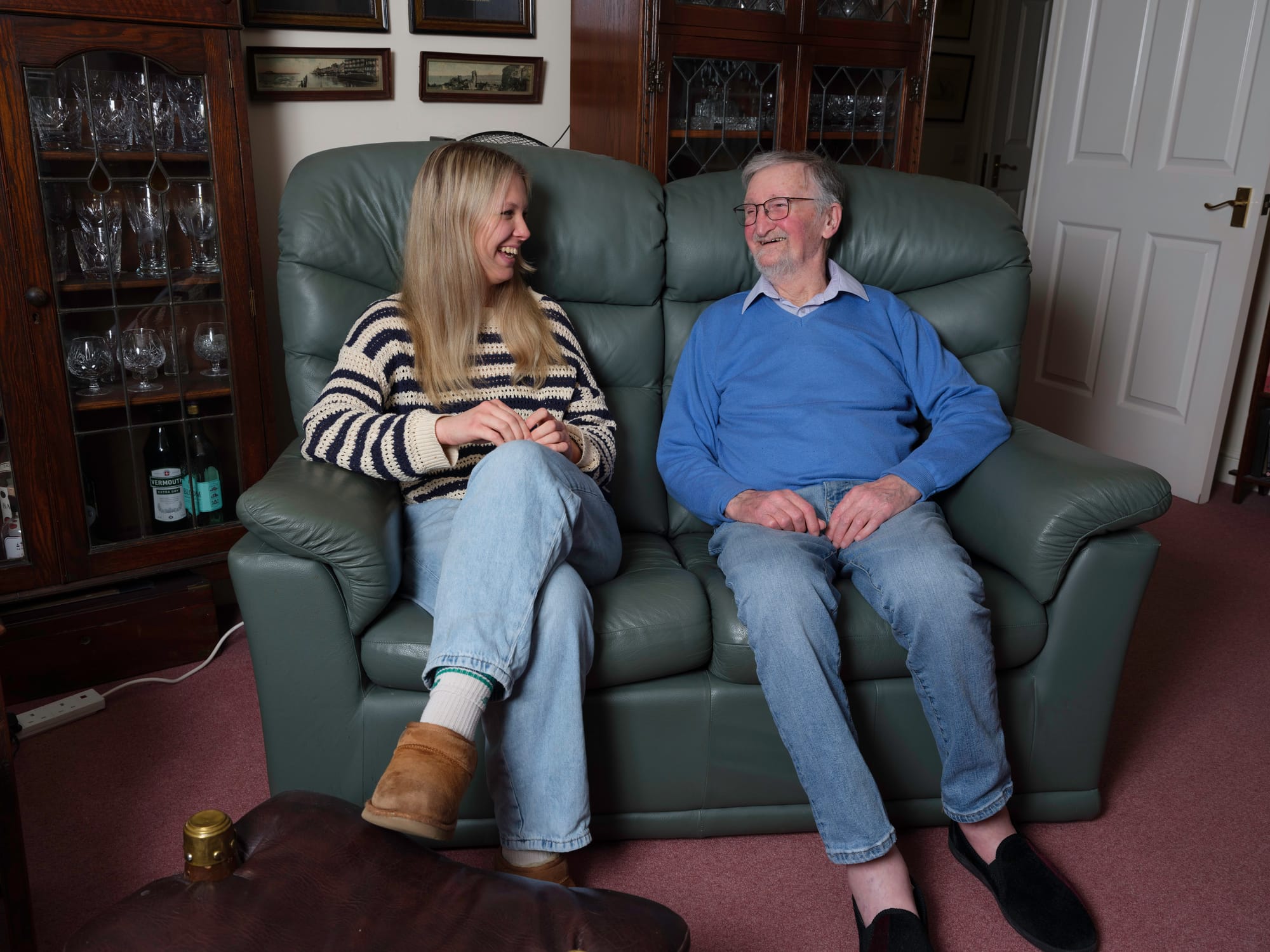
Instead of focusing on care, AIBŌ Buddies do the kinds of things a grandchild might do on a visit — grabbing the shopping, helping with errands, doing bits around the house, even taking their buddy out for a meal, a film, or an afternoon exploring the local area. But the real point is the company itself: spending genuine time with someone from a completely different generation.
The model serves both sides meaningfully. Elderly people get regular, trusted, local company that helps them stay independent for longer. Young people get paid, flexible, purposeful work that's genuinely different from bar shifts and coffee shops.
How does AIBŌ work?
AIBŌ partners with colleges and universities to find young people looking for flexible, paid work, and vets every applicant carefully — not just to verify who they are, but to understand what they're into, what they're studying, and what kind of person they'd click with.
From there, the process is refreshingly simple.
It starts with the family. A short form captures the essentials about their elderly loved one — their background, their interests, their personality, and the kind of support that would genuinely brighten their week. Solène and her team then handpick one to three local Buddies who feel like a good fit, matching on personality, shared interests, and even career direction where it's relevant. Every Buddy is ID and DBS checked before they ever meet a family.
Next comes the meet-and-greet, which is completely free and carries no obligation. Families review Buddy profiles and arrange to meet — in person or online — to make sure everyone feels comfortable before anything moves forward. If it's not the right fit, no harm done.
Once a match is confirmed, AIBŌ sets up a private WhatsApp group so families, Buddies, and the team can stay in the loop — organising visits, sharing updates, swapping photos from a nice afternoon out.
Then the visits begin, at whatever rhythm suits the family. There are no contracts and no minimum commitments — just flexible weekly time together, paid only for the hours actually used.
It's a small bit of structure around what is, fundamentally, a very human thing: someone showing up regularly, with time to spare and genuine interest in the person across the kitchen table.
Meet the founder: Solène Declas
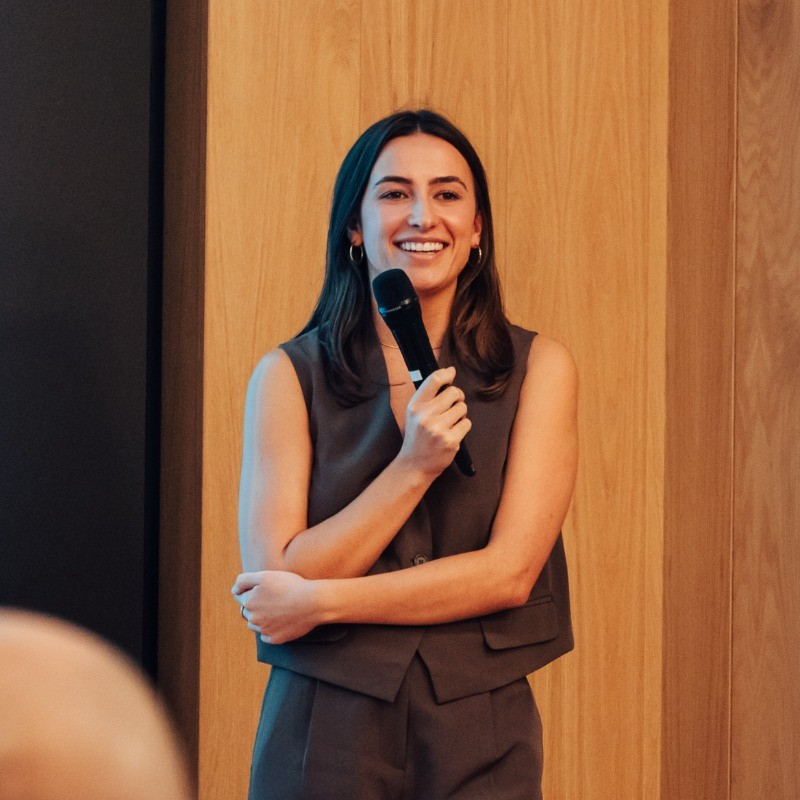
Solène graduated in 2023 without a clear plan. She took a part-time job at a London nanny agency — flexible, remote, the kind of work that gave her room to travel and think. The job itself was talent matching: pairing nannies with families, learning what makes two strangers click. She didn't know it yet, but she was quietly building the muscle she'd need to start AIBŌ.
The idea arrived in her family's garden one afternoon. Her grandparents live at the back of the house — close enough to drop in on, close enough to share a cup of tea with after work. They don't need care. They just have people around them, and that proximity, Solène realised, is its own kind of medicine.
Sitting there, she found herself thinking about the inverse. All the older people living alone, without a garden gate to the rest of the family. Without anyone popping in. And on the other side of the equation, all the young people she knew from university — bright, curious, looking for work that didn't mean pulling pints — who had time and energy and nowhere meaningful to put it.
Two groups of people, both missing something the other had in abundance. AIBŌ was the bridge.
Why we love it
The best social businesses tend to start the same way: someone notices a gap that nobody else has properly seen, and builds the simplest possible thing to fill it. AIBŌ is exactly that.
There's no clever tech trick here, no platform gimmick. It's just a thoughtful piece of matchmaking between two groups of people who genuinely need each other — and a founder who spotted the connection because she'd lived on both sides of it. Fresh out of university herself, with grandparents at the bottom of the garden, Solène was uniquely placed to see what was missing in the middle.
It's the kind of idea that, once you hear it, feels obvious. Which is usually the sign of a very good one.
Listen to more on The Discovery Call podcast
We sat down with Solène to learn all about AIBŌ and you can listen to the full interview on The Discovery Call podcast on Spotify or Apple Podcasts.
Listen to our full interview with Solène, founder of AIBŌ on Spotify or Apple Podcasts.